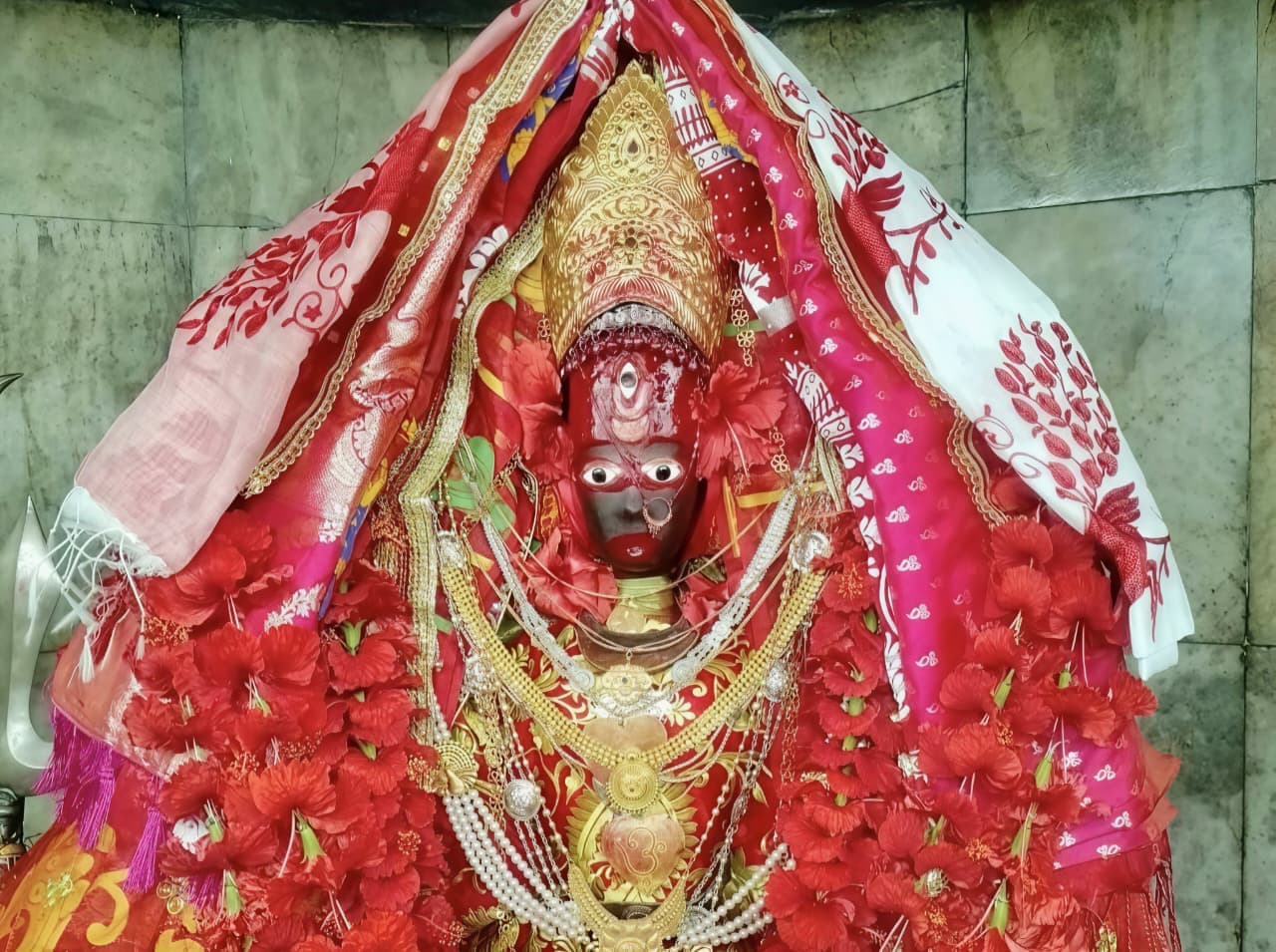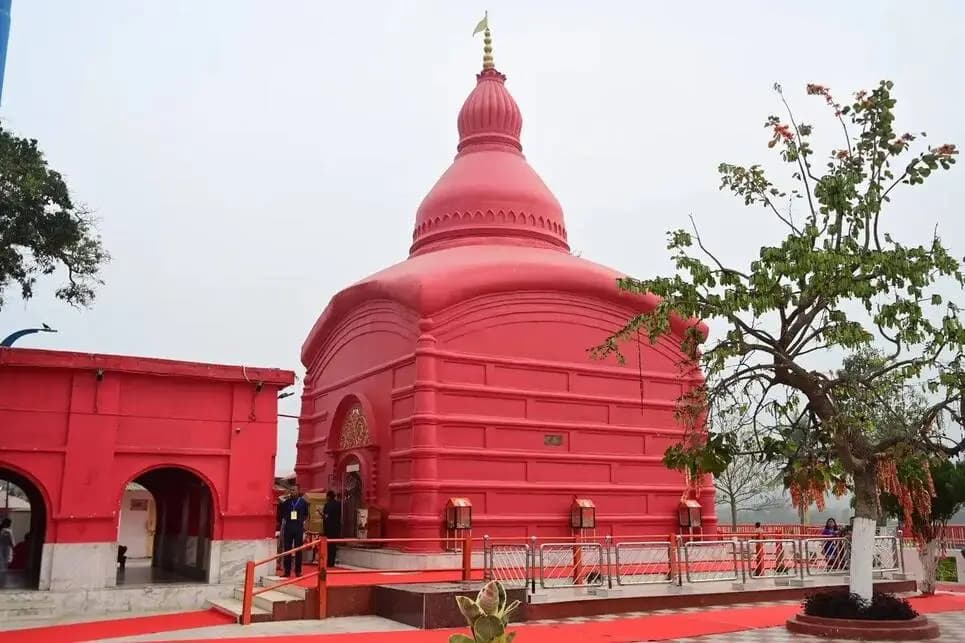
Perched atop a subtle, tortoise-shaped hillock in the ancient city of Udaipur—about 55 km from Agartala—stands Mata Tripura Sundari Temple, locally revered as Matabari. Reclaimed by dense tropical greenery and ancient legends, this shrine is not just an architectural marvel of Northeast India; it is one of the revered 51 Shaktipeeths of Hindu mythology.
The Sacred Origin: The Shaktipeeth Myth
To understand the energy of Matabari, one must look back to the cosmic tragedy of Sati and Shiva.
According to Hindu puranic lore, Goddess Sati immolated herself in the sacrificial fire of the Yajna organized by her father, King Daksha, after he publicly insulted her husband, Lord Shiva. Grief-stricken and consumed by rage, Lord Shiva performed the cosmic dance of destruction, the Tandava, while carrying Sati’s charred body across the universe.
To restore cosmic balance and stop Shiva's grief from destroying the worlds, Lord Vishnu used his Sudarshana Chakra to sever Sati’s body into 51 pieces. Wherever these divine fragments fell upon the earth, a Shaktipeeth emerged.
The Sacred Relic: It is believed that Goddess Sati's right foot (Right Toe) fell on the hillock where the Tripura Sundari Temple stands today, charging the land with divine feminine energy (Shakti).
The Royal Vision: How the Temple Was Built
The historical origins of the current structure date back to 1501 AD. Maharaja Dhanya Manikya, the ruler of the Manikya dynasty of Tripura, was guided by a divine vision.
Legend holds that the king received a dream in which the Goddess instructed him to move her idol from Chittagong (now in Bangladesh) and consecrate it on the hillock in Udaipur. Despite initial hesitation from local priests due to the site's association with Lord Vishnu, the king honored the divine command and built the temple, solidifying a centuries-long royal patronage that continues to shape local traditions today.
Unique Architectural Marvels & Sacraments
Kurma Pristha Layout: The temple mound naturally resembles the back of a tortoise (Kurma), an auspicious form in Hindu cosmology that signifies strength and stability.
Bengali Ek-ratna Style: Built with a distinct square sanctum and a domed roof reminiscent of traditional Bengal architecture, the structure features thick brick walls designed to withstand centuries of regional weather.
Dual Deities: Inside the inner sanctum, two distinct idols carved from reddish-black Kasti stone reside:
Tripura Sundari (Soroshi): Standing 5 feet tall, representing the primary deity.
Chhotoma: A smaller 2-foot idol traditionally carried by the Tripura kings into battle for protection.
Kalyan Sagar: Situated directly behind the main complex is a massive sacred lake (Kalyan Sagar). The lake is famous for housing giant, ancient freshwater turtles (Bostami turtles) and fish, which devouts feed as an integral part of their pilgrimage.
Experiencing Matabari Today
While the temple draws steady streams of pilgrims year-round, its most vibrant spiritual transformation occurs during Diwali. Each autumn, tens of thousands of devotees gather as the entire complex is illuminated by thousands of traditional earthen lamps (diyas), bringing the ancient Shaktipeeth to life in a celebration of light, devotion, and heritage.